

THE GENESIS OF REVERSO
A STORY EXPLORING THE ORIGINS OF AN ICONIC TIMEPIECE IN FOUR CHAPTERS
KEY FACTS:
- The Reverso: a sports watch born from a challenge to a timeless icon
- A quintessential embodiment of the spirit of its era: blending modernity, Art Deco style, sport DNA and innovation
- A disruptive creation: the Reverso redefined watchmaking with its daring design and ingenious functionality, embodying innovation that continues to inspire over 90 years later
In 2025, Jaeger-LeCoultre pays homage to the genesis of the Reverso by celebrating the 100th anniversary of the Exposition des Arts Décoratifs, held in Paris in 1925. This event marked the birth of Art Deco, the movement that would define the Reverso’s timeless aesthetic, making it one of the most recognisable watch designs of all time. From its fabled origin – an idea conceived on a polo field in India in 1930 – the Reverso has become an icon in the truest sense of the word.
A neatly executed synthesis of function and form – practical, elegant, and instantly recognisable – the Reverso was initially a sports watch, created expressly to be worn on the sports field. However, as a design equally suited to men and women, it transcended its original sports purpose from the very beginning and was instantly adopted by tastemakers from all walks of life. Staying true to its original design and proportions since 1931, the Reverso has continuously evolved while preserving its Art Deco lines and balanced aesthetics. In the 1990s, this evolution took on a new dimension as the Maison began integrating high complications, further enhancing its technical sophistication. A design of rare longevity, with its unique reversible case, the Reverso has remained eternally modern through more than 90 years of shifting tastes, social change, and advancing technology.
MADE OF MODERNITY: A CHILD OF THE ROARING TWENTIES
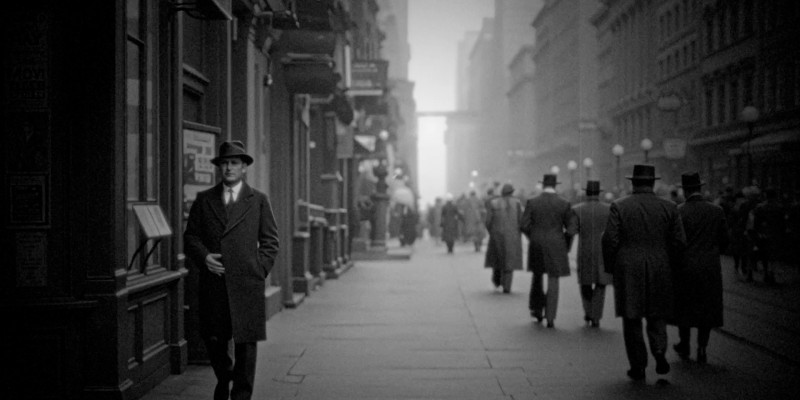
The genesis of the Reverso lies in the decade that preceded its creation – a dazzling cultural milieu in which the world changed almost beyond recognition. After the trauma of World War I, the 1920s brought tremendous social and economic change, a great flourishing of art and culture, and unprecedented advances in technology.
In a fast-changing society, the young rebelled against the straight-laced mores of their parents, embracing newfound affluence and creating a culture of hedonism and excess. As F. Scott Fitzgerald wrote in The Great Gatsby: “The parties were bigger, the pace was faster, the buildings were higher, and the morals were looser”.
The new and more permissive morality was expressed through daring styles of dress and behaviour; restrictive customs were shrugged off and, in keeping with the drive for modernity and convenience, men’s timepieces migrated from their pockets to their wrists.
Experimental art movements (Surrealism, Dada, Italian Futurism, German Expressionism) flourished alongside ground-breaking literary styles (Ernest Hemingway, James Joyce, Virginia Woolf, Langston Hughes). Encapsulating the mood of ebullient optimism and bold experimentation, a new form of music – jazz – emerged from the African-American community and came to define the decade.
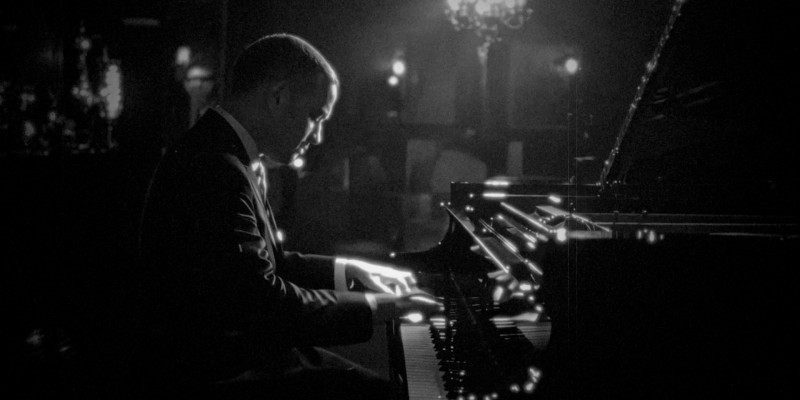
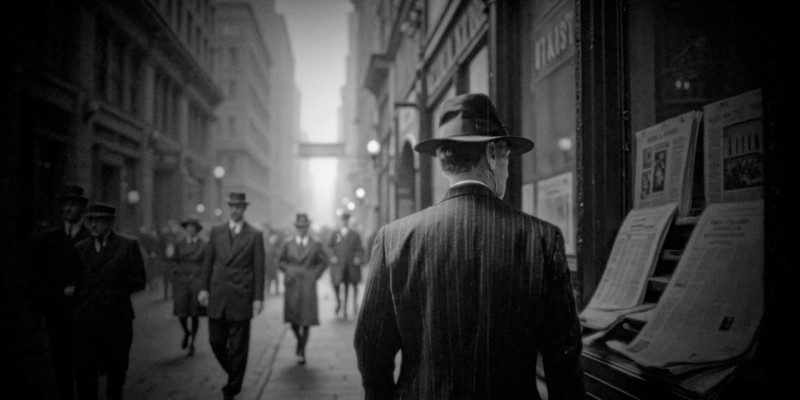
Fuelled by the economic boom, the impact of technology was felt everywhere, from cars and aviation to entertainment:
- Henry Ford’s Model T brought the democratisation of car ownership;
- Charles Lindbergh made the first solo Transatlantic flight in 1927;
- Hollywood made the leap from silent movies to ‘talkies’ in 1927 and new recording technology revolutionised radio, which brought entertainment directly into people’s homes;
- In the late 1920s, jazz trumpeter Louis Armstrong was a leading influence in the emergence of African-American culture during the ‘Harlem Renaissance’ and in 1927, Missouri-born Josephine Baker caused a sensation as the star of a revue at the Folies Bergère in Paris.
The first truly modern era, this was the Roaring Twenties, the Jazz Age – a period perhaps best expressed by the French term, les années folles (literally translating to ‘the crazy years’). It was a time when the extraordinary was celebrated – a spirit perpetuated at the dawn of the following decade by the ‘out of the ordinary’ concept of the Reverso.
Made of modernity: born from the audacity of its era, the Reverso stands as a revolutionary symbol of originality, perfectly capturing the spirit of a world in transformation. Introduced as a wristwatch when pocket watches still reigned supreme, it redefined the way time was worn. With its coloured dial and clean-lined indexes, it defied convention, offering a sharp contrast to the silver dials and Roman or Arabic numerals that dominated its time. More than just a timepiece, the Reverso became an icon – bold, daring, and ahead of its time – embodying the creativity and defiance of an era that reshaped the future.
MADE OF ART DECO STYLE: A NEW AESTHETIC FOR A NEW AGE
A revolutionary aesthetic language that emerged in the 1920s, Art Deco encapsulated the spirit of its time as the dramatic changes in people’s lives were reflected in their changed attitudes towards design. The elaborately decorative and dreamlike romanticism of the pre-war years no longer seemed relevant, while the streamlined simplicity of the new aesthetic – its order, geometry and pure lines – spoke of optimism and a bright new future.
As a design movement, Art Deco encompassed every domain – from architecture and fashion to graphic art – and was applicable on every scale, from ocean liners to gold cigarette cases. Inspired by new technology, it embodied the spirit of the machine age, with its clean shapes and use of metal and newly developed plastics. It drew on stylistic references from ancient Babylonian, Egyptian and Aztec architecture, alongside influences from French Cubism, Dutch De Stijl and Italian Futurism. With its sleek and effortless glamour, Art Deco perfectly encapsulated the hedonistic mood of the Jazz Age.
Although the term Art Deco was coined only in the late 1960s, it takes its name from the defining moment of the new style, the Exposition des Arts Décoratifs held in Paris in 1925. As the style spread globally, New York City became a second major centre of development – epitomised by the Chrysler Building (1930) and Empire State Building (1931) – and abundant original examples of Art Deco architecture survive in cities from Singapore to Cuba and Mumbai to Miami.
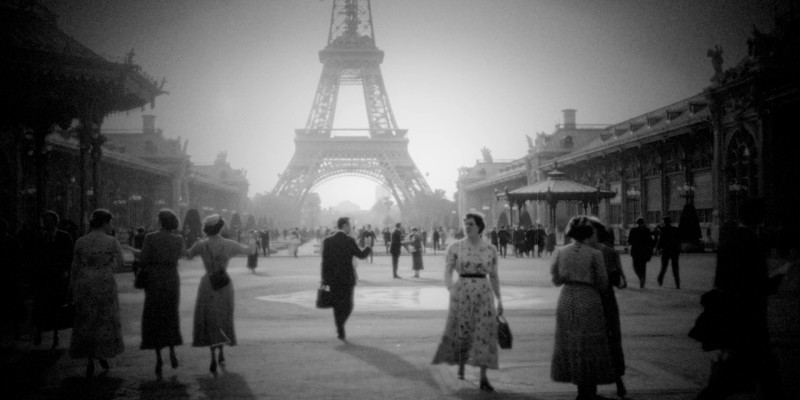
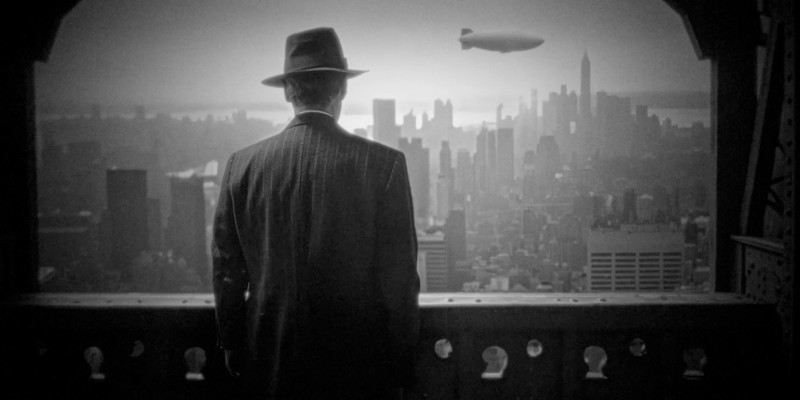
Beneath its decorative flourishes, Art Deco’s sophistication drew heavily from the Bauhaus principle that form should express function. Good design balances purpose, practicality, and elegance – qualities epitomised by the Reverso. Its geometry is crisply rectilinear at first glance, but closer inspection reveals rounded shapes and subtle curves. The design’s blend of Art Deco principles with the Golden Ratio – a proportion pleasing to the human eye – helps explain the Reverso’s enduring appeal for more than nine decades.
Made of Art Deco style: the Reverso stands as a timeless testament to the bold, modern aesthetic of Art Deco. Its distinctive rectangular shape broke with tradition, boldly challenging the round designs that had dominated timekeeping. Capturing the spirit of an era that celebrated clean lines, geometric forms, and streamlined elegance, it reflects the optimism of a world on the brink of transformation. A seamless blend of form and function, the Reverso embodies the very essence of Art Deco – sophisticated, innovative, and forward-thinking – cementing its status as an enduring icon of beauty and craftsmanship.
MADE OF SPORT DNA: THE RISE OF THE ‘SPORTING GENTLEMAN’
The 1920s spirit of liberation fuelled a growing emphasis on physical fitness, making sport both a popular leisure activity and a social hub. Summer holidays on the French Riviera became fashionable, with suntans symbolising health and affluence. Le Train Bleu, the luxurious express to the Côte d’Azur, even inspired a ballet by Nijinska for Serge Diaghilev’s Ballets Russes. New technology, such as radio, transformed sports into mass entertainment, bringing commentary into homes and elevating events like the first Football World Cup in 1930 to global significance, where sports champions – both male and female – became celebrities.
The craze for pastimes such as tennis, golf, swimming, yachting, and skiing was reflected in changing fashions:
- Gabrielle Chanel daringly put women in trousers;
- The Prince of Wales – later the Duke of Windsor – popularised ‘golfing attire’ such as argyle jumpers and tweed plus-fours;
- The tennis player René Lacoste, in the interests of greater freedom of movement on court, designed the classic short-sleeved cotton-knit shirt that bears his name.
Against this backdrop, a new character emerged: the sporting gentleman. Exuding style, daring and glamour, he is best exemplified by the legendary ‘Bentley Boys’ of the Le Mans 24 Hour Race (inaugurated in 1923) and the wealthy polo players who pursued their sport at country clubs around the world. For the ‘sporting gentleman’ wearing a wristwatch was de rigueur, even though watchmaking was not yet well adapted to this active lifestyle.
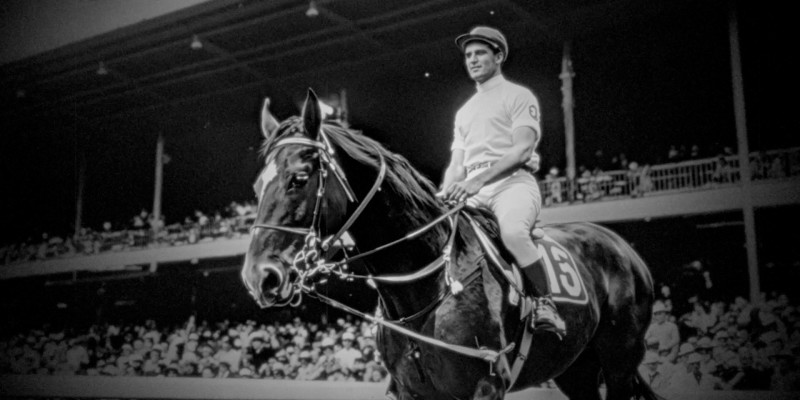
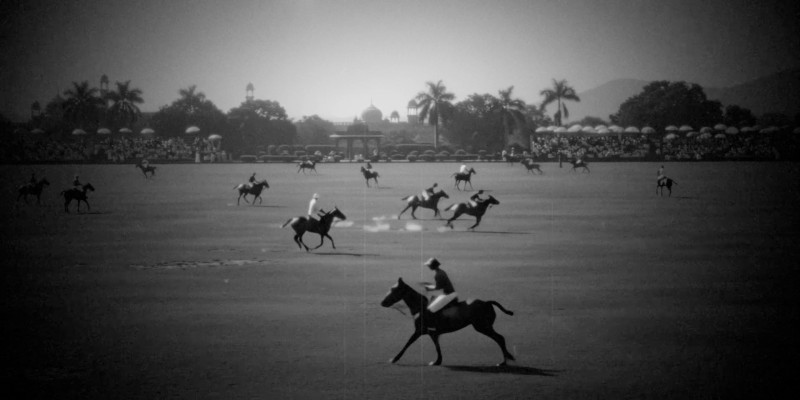
One of the world’s oldest known team sports, polo arrived in India from Persia and was enthusiastically adopted by the nobility. British tea planters introduced it to England in the 19th century, where it gained popularity among the aristocracy. The sport’s rules, codified as the ‘Hurlingham Rules’, remain in use today as polo spread across the British Commonwealth and beyond. In India, as British colonial military officers became ardent players, polo became a focus of social life there. It was in this milieu that, in 1930, César de Trey, a Swiss businessman, was challenged to create a watch that could withstand the rough-and-tumble of the polo field – and so the story of Reverso began.
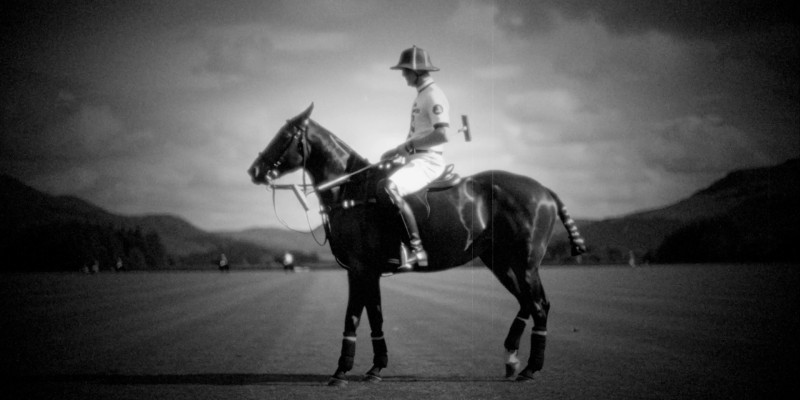
Made of sport DNA: the Reverso’s creation marked the birth of a timepiece built for the sporting elite. Born in an era where sport defined status, the Reverso was designed to withstand the rigours of polo, merging unparalleled durability with refined elegance. Its ingenious pivoting case was a direct response to the need for a watch that could keep up with the active, sophisticated lifestyle of the sporting gentleman. More than just a timepiece, the Reverso became a symbol of sport, performance, and style.
MADE OF PURE INNOVATION: THE SPIRIT OF THE MACHINE AGE
Fuelled by an unprecedented economic boom and, in many cases, harnessing technological advances made during World War I, the 1920s brought a remarkable surge of inventions that changed the lives of everyday people, that remain ubiquitous today. That decade introduced the world to traffic lights, convertible cars, jukeboxes and sunglasses, among countless other innovations.
At the LeCoultre Manufacture, where the spirit of invention had been instilled by Antoine LeCoultre when he founded the Maison in 1833, watchmakers developed the Duoplan movement in 1925. This ground-breaking development enabled an unprecedented degree of miniaturisation, leading to the creation of Calibre 101 in 1929, which remains one of the world’s smallest hand-wound mechanical movements to this day. Meanwhile, in 1928, the Manufacture achieved another remarkable feat with the development of the Atmos, a revolutionary clock powered by atmospheric pressure changes.
During a trip to India, César de Trey was challenged by British army officers, passionate players of polo, to create a watch capable of withstanding the rigours of the game. When de Trey returned to Europe, he partnered with Jacques-David LeCoultre to produce the concept and, through connections with Jaeger SA, entrusted a French industrial designer René-Alfred Chauvot to design the case and its swivelling function.
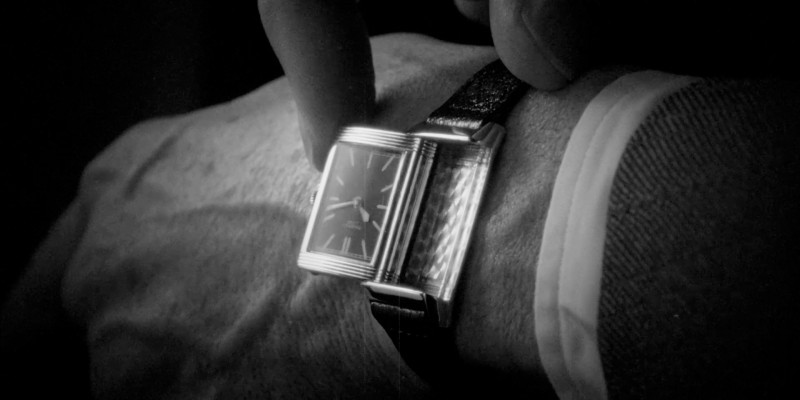
On March 4, 1931, Chauvot filed a patent for “a watch capable of sliding in its support and being completely turned over” (patent N°712.868). Later that year, de Trey and LeCoultre acquired the rights to his design, and in November, registered the Reverso name (Latin for ‘I turn’). They enlisted casemaker Wenger to refine the case into its streamlined rectangular shape.
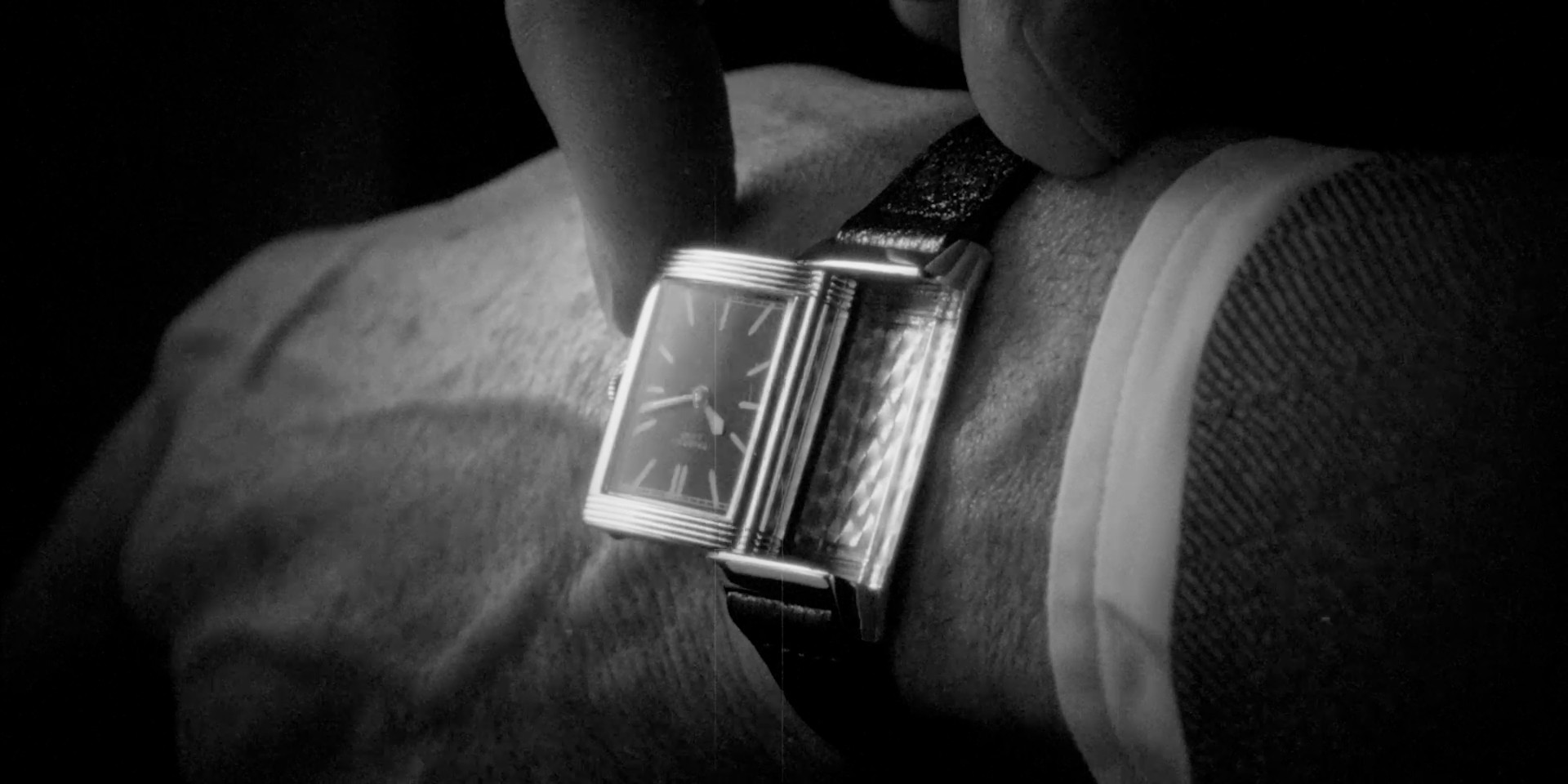
Initially, Jaeger and LeCoultre used a Tavannes Calibre while developing their own rectangular movement, Calibre 410, which made its debut in 1933. By autumn 1931, de Trey and LeCoultre founded Spécialités Horlogères to commercialise Jaeger-LeCoultre’s products, including the Reverso. The first Reverso deliveries followed in winter 1931, marking the birth of an enduring icon.
Made of pure innovation: during the early decades of the 20th century, La Grande Maison solidified its identity as the Watchmaker of Watchmakers™, not only by tackling some of the most significant technical challenges in watchmaking but also by cultivating a reputation for exceptional style. By 1931, it stood as the only Manufacture capable of meeting the ambitious challenge of creating a timepiece as groundbreaking as the Reverso. This achievement was made possible by its unmatched spirit of invention, already evident in revolutionary creations like the Duoplan in 1925, the Atmos in 1928, and the Calibre 101 in 1929. With the Reverso, La Grande Maison took innovation even further, crafting it in Staybrite steel – a bold departure from the traditional use of gold. This daring choice not only set a new standard of elegance but also perfectly embodied the pioneering ethos and avant-garde vision of the Manufacture.
ICONS ARE NOT BORN, THEY ARE MADE
The Reverso emerged as a true innovation, transforming the world of watchmaking. At a time when pocket watches dominated, it boldly introduced the wristwatch, reshaping how time was worn. Its rectangular form defied the centuries-old tradition of round timepieces, while its striking coloured dial and index markers broke away from conventional silver dials with Roman and Arabic numerals. The real genius, however, lay in its iconic swivelling case, an unprecedented feature that blended mechanical ingenuity with refined elegance. From the very beginning of its production, Reverso’s calibres were shaped to follow the curves of its rectangular case, an ingenious answer to maximise space used and therefore the precision of the calibre. In 1931, it was seen as a revolution in Haute Horlogerie: an unusual rectangular case, powered by shaped calibres, set in a dedicated casing ring to protect them from shocks, humidity and the passing of time. On the outside, the blank caseback became a canvas for the expert craftsmen of the Métiers RaresTM atelier, showcasing personalised enamelling, engraving, and miniature painting. From its inception, the Reverso has surpassed trends, crafted for both men and women, embodying timeless style and the bold, disruptive spirit of its time.
The Reverso stands as a true embodiment of its era, seamlessly blending modernity, Art Deco elegance, sporting DNA, and groundbreaking innovation. Over the span of more than 90 years, it has evolved without ever losing its essence. Born from a period of profound transformation and crafted to meet the specific demands of polo players, its ingenious design and flawless execution have established it as more than a mere timepiece. The Reverso is an enduring icon of 20th-century design – timeless, yet always up with the times.
Downloads

|
|
|
|
|
|
|
|
|
|
|
|
|
|
|
|
|
|
|
|
|
|
|
|
|
|
|
|
|
|
|