

INTRODUCING THE VALLEY OF INVENTIONS
FROZEN LANDSCAPES FORGED THE BIRTHPLACE OF PRECISION
KEY FACTS:
The Valley of Inventions: the Maison’s 2026 annual theme telling the story of watchmaking birth in the Vallée de Joux
A manufacture shaped by place: Jaeger-LeCoultre’s spirit of inventiveness was forged by an extreme environment where resilience, self-reliance and ingenuity laid the foundations of modern high watchmaking
A relentless quest for precision: from 19th century chronometers and competition winning tourbillons to the 2026 Master Control Chronometre and Hybris Inventiva creations
Every legend has its birthplace. That of Jaeger-LeCoultre began in a hidden valley, high in the Swiss Jura, where Huguenot refugees settled in the 16th century after fleeing religious persecution in their home country. This safe haven posed new challenges: to carve out a living from the beautiful yet harsh landscape, with its dense forests and bitterly cold winters demanding resilience, determination and resourcefulness. Over the generations, resourcefulness was honed into ingenuity and inventiveness – a spirit that would eventually lead to the establishment of the watchmaking atelier LeCoultre in 1833.
A constant stream of inventions was to follow – new production tools, the creation of the first integrated Manufacture, innovative manufacturing processes and unprecedented complications. This momentum, sustained to the present day, has been recognised by more than 430 patents. Today, Jaeger-LeCoultre stands as a true Manufacture-Atelier, uniting 82 ateliers, 108 watchmaking métiers and 69 signature savoir-faire under one roof.
With its 2026 theme, The Valley of Inventions, Jaeger-LeCoultre celebrates a legacy shaped by place: a rarefied setting where landscape and climate shaped the character of the people whose inventions, in turn, shaped the course of watchmaking history.
I – FROM XVITH TO XIXTH CENTURY: THE GENESIS OF PRECISE HOROLOGY
Since ancient civilisations invented the first instruments for measuring time, the history of horology has been driven by the pursuit of ever greater accuracy and, after the first mechanical clocks were invented in the mid-14th century, the drive for precision gained pace. Over time, increasingly sophisticated clockmaking technology opened the door to the development of watches small enough to carry in the pocket. The smaller scale of these timepieces demanded ever greater precision in the shaping of components, the architecture and assembly of the movements and, eventually, in the Vallée de Joux, Antoine LeCoultre was to take this pursuit to levels previously unimagined.
From summer farming to winter watchmaking
In 1559, having fled persecution in his native France, Pierre LeCoultre arrived in the Vallée de Joux. At that time, the valley was a wild place of rocks and forests: set at an altitude of 1,000 metres and circled by mountains. Pierre LeCoultre obtained the rights to a plot of land, cleared the forest, made a farm and, in 1612, his son – also called Pierre – built a chapel that established the village of Le Sentier, which remains the home of Jaeger-LeCoultre to this day.
In the warmer months, life in the Vallée de Joux was shaped by agriculture. Fertile summer pastures sustained livestock, while dairy farming - milk and cheese production in particular - formed the primary source of income for local families. Yet the valley’s isolation and severe climate imposed a strict seasonal rhythm. When winter arrived, heavy snow and freezing temperatures brought farming activities to a halt, making agricultural work impossible for months at a time. Forced to become self-reliant, many farmers installed domestic forges within their chalets, developing a complementary source of income during the long winters. The forge replaced the field; necessity gave birth to ingenuity. With a taste for precision and meticulous attention to detail - shaped by patience, perseverance and isolation - they began to specialise in small, highly exacting objects such as blades, buckles, locks and handles. Some, taking advantage of the extended winter months to further refine their skills, naturally turned to watchmaking.
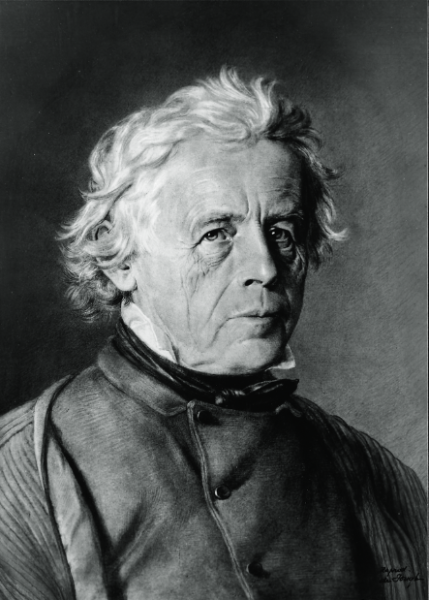
Ten generations after Pierre LeCoultre’s arrival in the Vallée de Joux, 16-year-old Antoine LeCoultre joined his father in the family’s small forge, where they developed new alloys and perfected the pins and vibrating blades of music boxes. In 1823, they began producing razors from exceptionally hardened and quenched steel and subsequently designed a watchmaking chisel benefiting from the same quenching method. During the freezing winters, Antoine LeCoultre began to teach himself the craft of watchmaking.

From établissage to modern manufacturing
While teaching himself watchmaking, Antoine LeCoultre was already busy with other inventions. By 1830 he had invented a machine for cutting pinions from steel, making the laborious process of hand-filing metal obsolete. Prior to this innovation, pinions were produced from steel drawn through a die; Antoine LeCoultre’s solution allowed them to be cut directly from solid steel. This breakthrough delivered clear advantages: higher quality, greater precision, and consistent reproducibility on a larger scale.
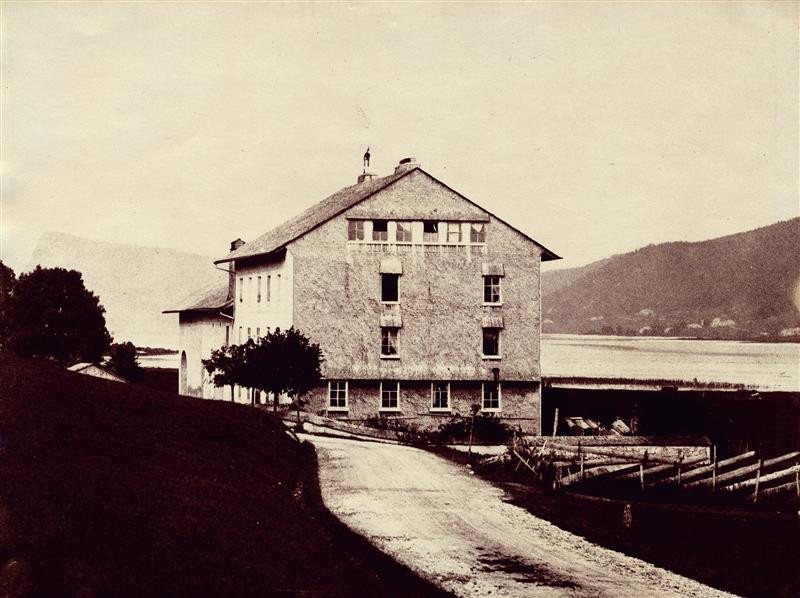
In 1833, Antoine LeCoultre transformed the family forge in Le Sentier into a watchmaking atelier and began to create timepieces in his own name. At the time, watchmaking was based on the principle of établissage – an ecosystem of small, independent workshops, usually located in the attic of the owner’s farmhouse, that each specialised in one of the watchmaking crafts. While this system enabled each watchmaker to develop great skill in his chosen specialism, it was ultimately inefficient when it came to creating complete watches. LeCoultre sourced various components from different specialists but it was a time-consuming process and, without the benefit of standardised measurements, every watch was by definition a one-off piece.
Obsessed with precision, LeCoultre began to consider a different way of operating that might increase efficiency. This gave birth to an idea that was to change the face of watchmaking, brought to fruition in 1866 when Antoine LeCoultre and his son Elie united all the watchmaking crafts under one roof. Establishing the first fully-fledged Manufacture in the Vallée de Joux was a prescient move. Not only did it increase efficiency and enable more standardisation – and thus, series production – it harnessed the ‘wisdom of the collective’. Bringing the watchmakers’ different skills and approaches together encouraged a close and continuous exchange of ideas, which stimulated ever greater inventiveness in developing new solutions to the challenges inherent in watchmaking. As the largest watchmaking entity in the Vallée de Joux, LeCoultre & Cie became known as La Grande Maison.
A legacy with no comparison
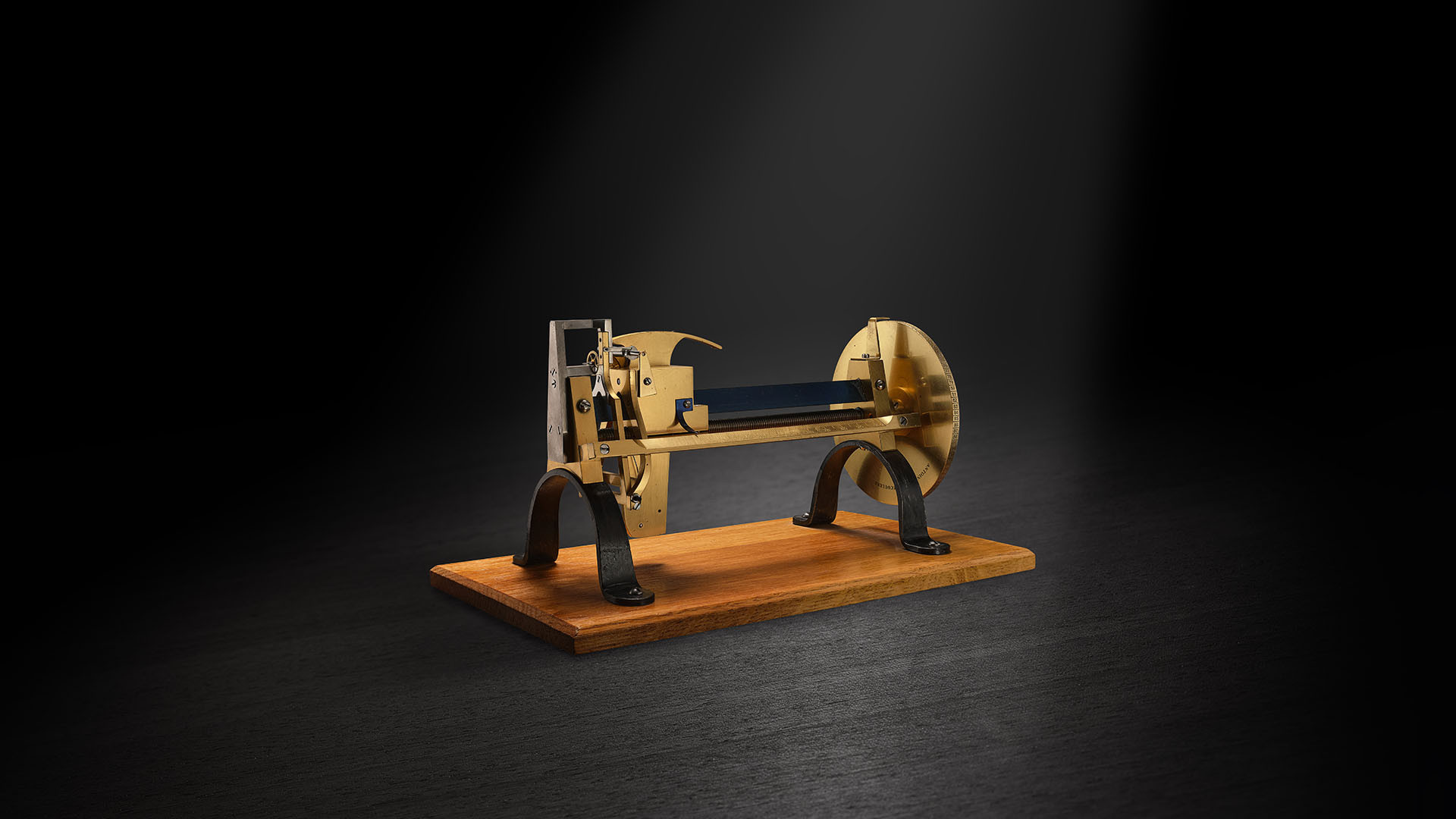
As the smaller scale of timepieces demanded increasingly precise measurements, there was a limit to the degree of miniaturisation possible, which prompted Antoine LeCoultre’s next breakthrough invention: the Millionomètre. Introduced in 1844, it was the world’s first device capable of measuring a micron. This made it possible to measure components with an unprecedented level of precision.
Antoine LeCoultre went on to invent precisely calibrated cutting and stamping machines that could measure and cut components more accurately and on a smaller scale than ever before. These included, in 1850, a rounding-up tool for shaping the wheels that greatly increased the quality of gear trains and in 1860, a plate-cutting tool enabled more precise machining of the all-important base that anchors every calibre. In 1851, Britain organised the first World's Fair in London – the Great Exhibition – at which Antoine LeCoultre exhibited several creations, earning a gold medal. He was particularly cited for his pioneering role in the field of component interchangeability – the product of the obsession with precision that spurred so many of his innovations.
By enabling the miniaturisation of parts without sacrificing timekeeping accuracy, LeCoultre’s inventions made it possible to develop watches of ever smaller size and greater complexity. This led to the creation of complications, such as calendar functions, moon phase displays, chiming complications and chronographs. Between 1860 and 1900, the Manufacture produced more than 350 different calibres. The late 1860s marked the development of the first calendar calibres, a milestone confirmed by an 1868 movement found in the archives, which features a complete calendar indication. Many were equipped with complications, including 99 chiming calibres, of which 66 were minute repeaters, 128 different chronographs, 33 calibres that united chronograph and repeater functions within a single watch, 8 ultra-thin calibres and 1 with an eight-day power reserve. In the 1890s, the Manufacture made its first Grande Complication calibres, combining the three major complications: perpetual calendar, chronograph and minute repeater.
II – FROM XXTH TO XXIST CENTURY: A RELENTLESS QUEST FOR PRECISION THROUGH INNOVATION
In the Vallée de Joux – a valley once secret, now eternal – mastery gave rise to imagination, and imagination gave birth to invention. The Maison’s expertise in complicated timepieces profoundly shaped the region’s watchmaking heritage, establishing the Vallée de Joux as the cradle of complications. Highly sought after by many of Switzerland’s great watchmaking houses for use in their own creations, Jaeger-LeCoultre’s calibres earned the Maison its enduring reputation as the ‘Watchmaker of Watchmakers™’.
Chronometry: the signature of quality and innovation
Chronometry lies at the heart of Jaeger-LeCoultre’s pursuit of precision. As early as the 19th century, LeCoultre & Cie was producing chronometer-certified pocket watches, mastering accuracy across both simple mechanisms and complex complications. In 1890, the Manufacture rose to the ultimate challenge with a chronometer-certified Grande Complication. From marine chronometers to pilots’ watches and the Geophysic, precision accompanied explorers on sea, in the air and on land. In 1992, with the new Master Control collection as its flagship, the Maison set a new benchmark, the 1,000 Hours control, testing not only the movement but also the precision of the entire cased-up watch.

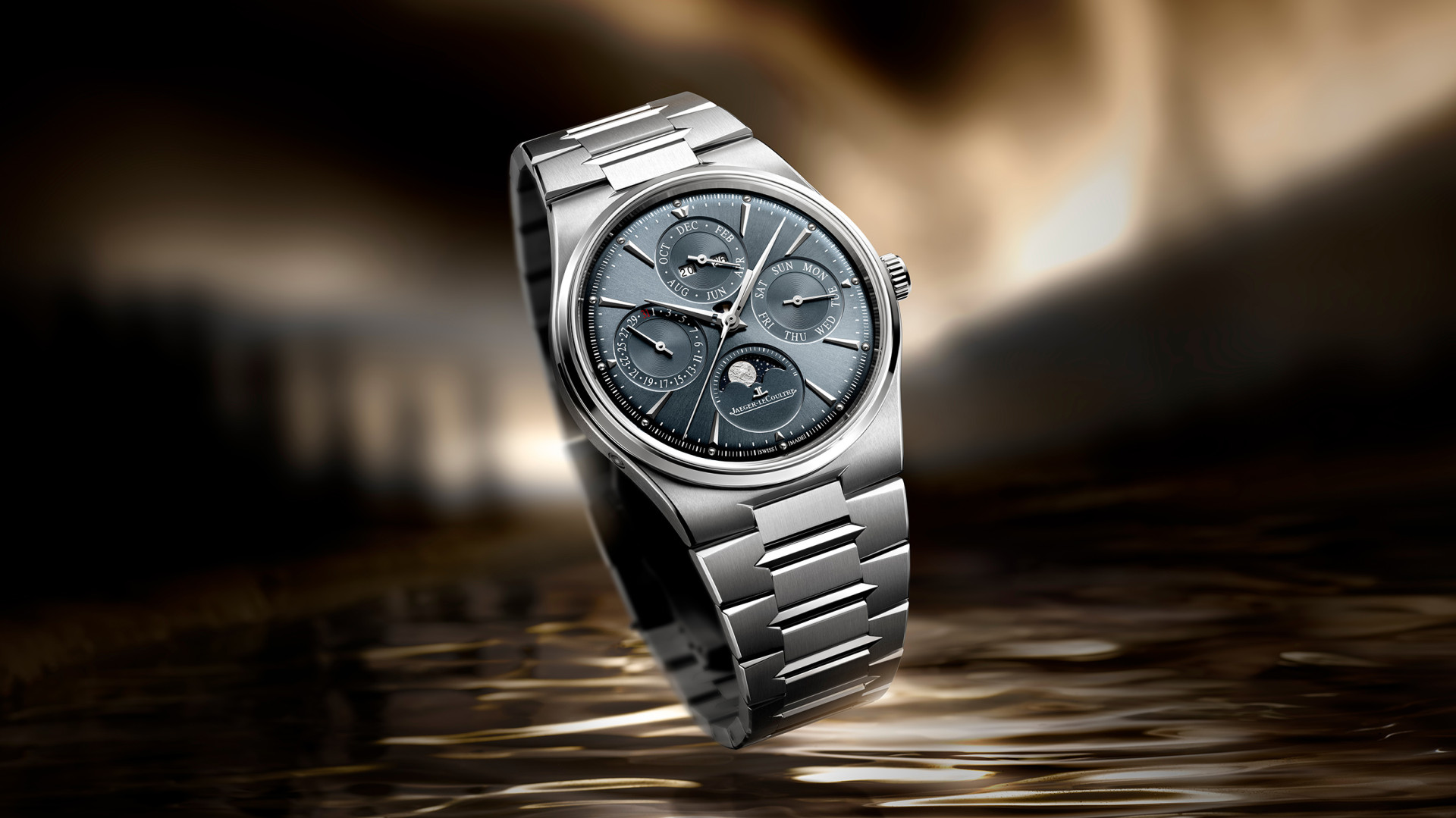
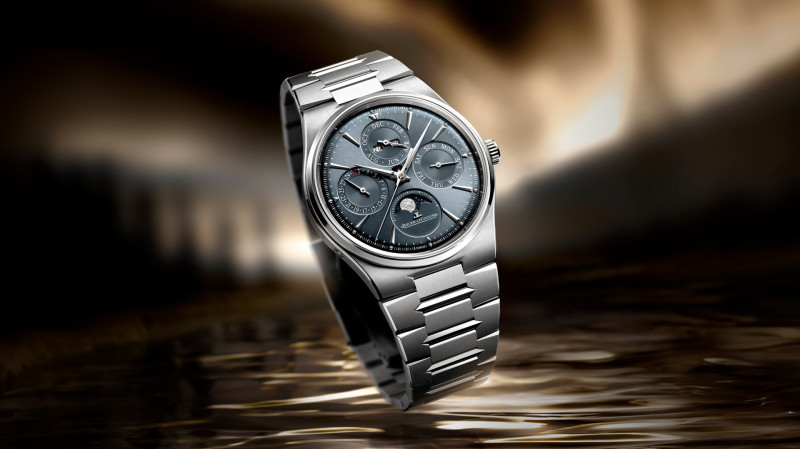
Given the Manufacture’s constant drive for innovation, the new Master Control Chronometre introduces the new Jaeger-LeCoultre seal: ‘HPG’ High Precision Guarantee, which certifies not only the refined aesthetic finishes but also the high precision of the timepiece. This Jaeger-LeCoultre’s certification is met through an even more stringent protocol, for which a patent has been applied for, that rigorously tests cased-up watches, replicating the daily wear of a watch and evaluates performance against four critical elements of daily wear: altitude, shocks, positions, and temperature. By integrating these diverse conditions, the method ensures that the watch's intricate mechanisms maintain their optimal chronometric accuracy, not just in ideal conditions, but throughout the full spectrum of a wearer's life. Beyond the HPG seal and to exemplify the accuracy of this new test, all Master Control Chronometre also receive the prestigious COSC certification of timekeeping accuracy – which is mandatory for the right to use the word ‘Chronomètre’ or the English ‘Chronometer’.
Tourbillon: a mechanical feat in the service of precision
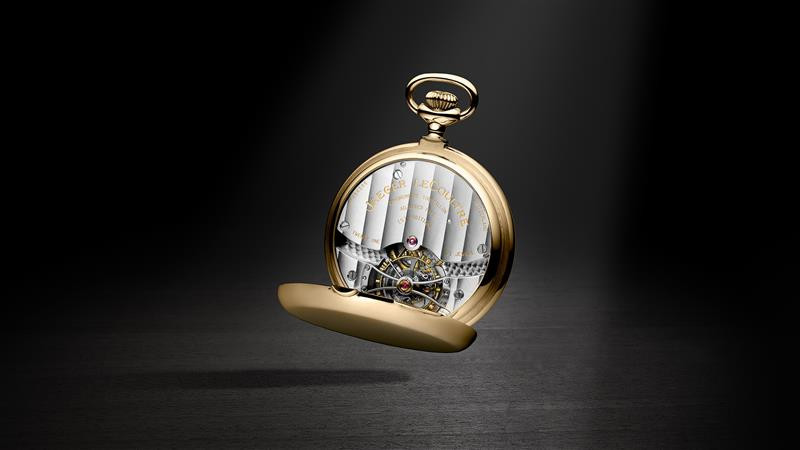
Composed of the balance wheel and the hairspring (known as the spiral in French), the regulating organ is the beating heart of a mechanical watch movement. Controlled by the expansion and contraction of the hairspring, the regularity of that heartbeat – known as isochronism – is crucial to accurate timekeeping. One of the great enemies of isochronism is the impact of gravity on the regulating organ and, over many decades, Jaeger-LeCoultre has focused a great deal of research to this area, including the tourbillon, which counters the effects of gravity by rotating the balance wheel within a cage. Created to prove the value of this mechanism through participation in chronometry competitions, Jaeger-LeCoultre’s first tourbillon calibre won the 1946 competition with a variation of only ±1 second per day. Since then, the Manufacture has continuously refined its approach to regulating organs, developing numerous technical innovations aimed at improving chronometric performance. The Maison’s quest for ever-greater timekeeping precision has also resulted in multiple inventions in both the construction of tourbillon cages and the shape of hairsprings. The S-shaped hairspring, patented by Jaeger-LeCoultre, features an outer coil curving upwards and inwards, offering enhanced precision and stability, particularly for its ultra-thin tourbillon hosted in Reverso. Furthermore, The Manufacture developed three-dimensional forms like cylindrical, spherical, and hemispherical hairsprings which expand and contract uniformly, leading to a more concentric and stable balance wheel oscillation, improving isochronism and adapting perfectly for different forms of regulating organs.
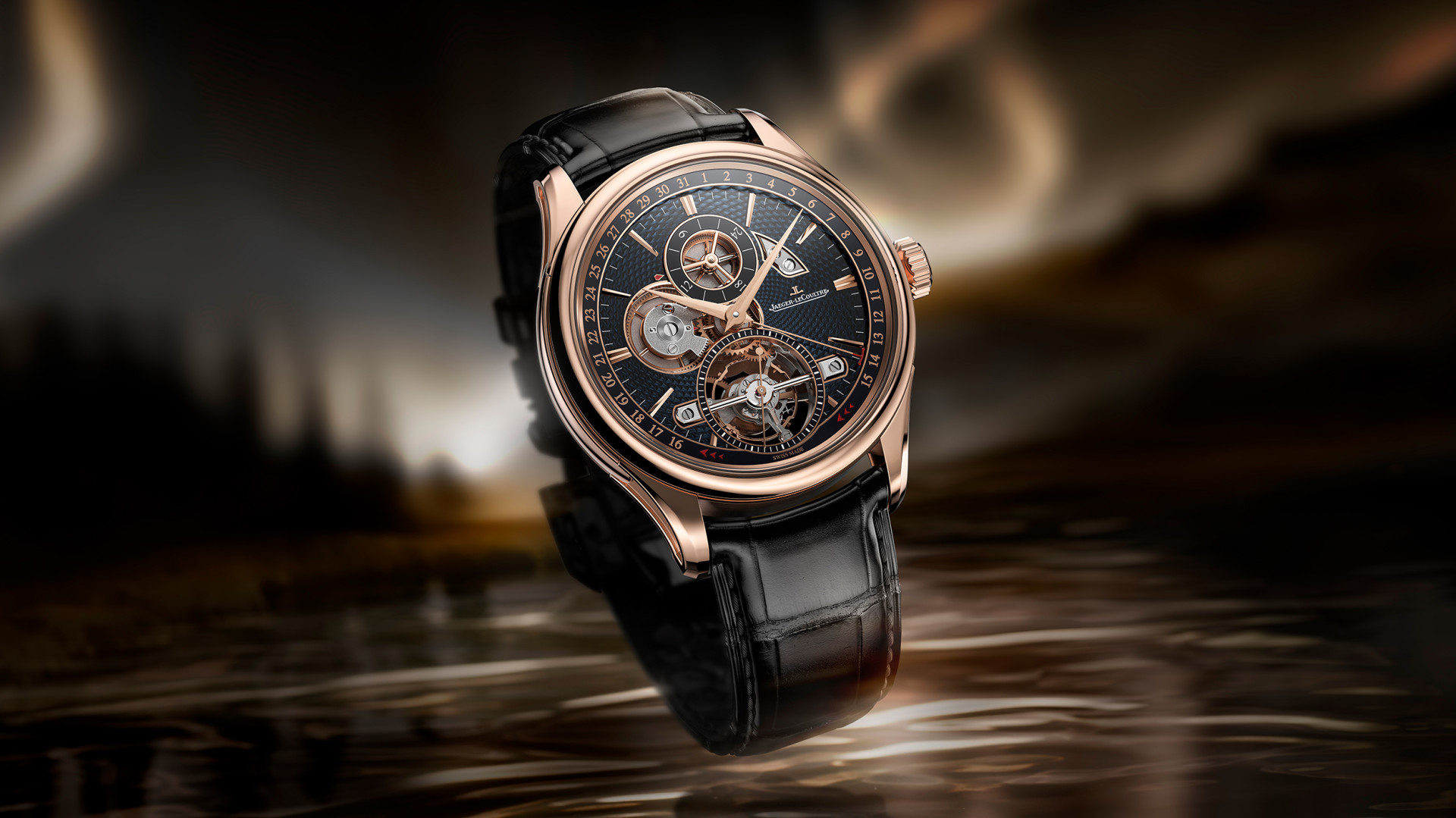
Among Jaeger-LeCoultre’s tourbillon calibres, Calibre 978 stands out as a landmark achievement. In 2009, it won the first modern chronometry competition – a demanding 45-day trial organised to mark the 50th anniversary of the International Museum of Horology in Le Locle, Switzerland. This rigorous evaluation unequivocally demonstrated both the validity of the tourbillon escapement’s original purpose and the exceptional quality and precision of the Manufacture’s craftsmanship. At the time of its debut, Calibre 978 also introduced a playful yet though-through new type of ‘jumping’ date function: dates are marked around the dial periphery, with the 15 and 16 on either side of the tourbillon aperture separated by an angle of almost 90 degrees. Starting at midnight on the 15th of each month, the date hand glides to the 16th to ensure that the tourbillon is not obscured from view. With a restructured movement architecture, the latest iteration of Calibre 978, the Master Grande Tradition Tourbillon Jumping Date, is presented in a new 42 mm 18K Pink Gold (750/1000) case complemented by a fresh dial design and more refined high watchmaking finishes – a lively and elegant homage to the calibre’s illustrious past.
Multi-axis tourbillon: the signature invention
With wristwatches being the prevalent personal timekeeper, watchmakers understand that multiple-axis tourbillons do much more than a single-axis tourbillon to prevent gravity from influencing their precision. In 2004, Jaeger-LeCoultre embarked on a groundbreaking series of multiple-axis inventions with the unveiling of the first Gyrotourbillon. This revolutionary double-axis tourbillon was meticulously engineered to ensure its oscillating system was never stationary in the horizontal position, solidifying Jaeger-LeCoultre’s pioneering role in multi-axis tourbillons. Building upon this foundational achievement, each subsequent generation of the Gyrotourbillon pushed the boundaries of precision and artistry. The second generation was distinguished by a new construction meticulously tailored to fit the iconic Reverso case. The third generation then ushered in the first Flying Gyrotourbillon, graced with the innovation of a spherical hairspring. The fourth generation achieved a full flying status, becoming the fastest Gyrotourbillon to date. The fifth generation showcased a triumph of miniaturisation, harmoniously integrating the Gyrotourbillon with a constant force mechanism.
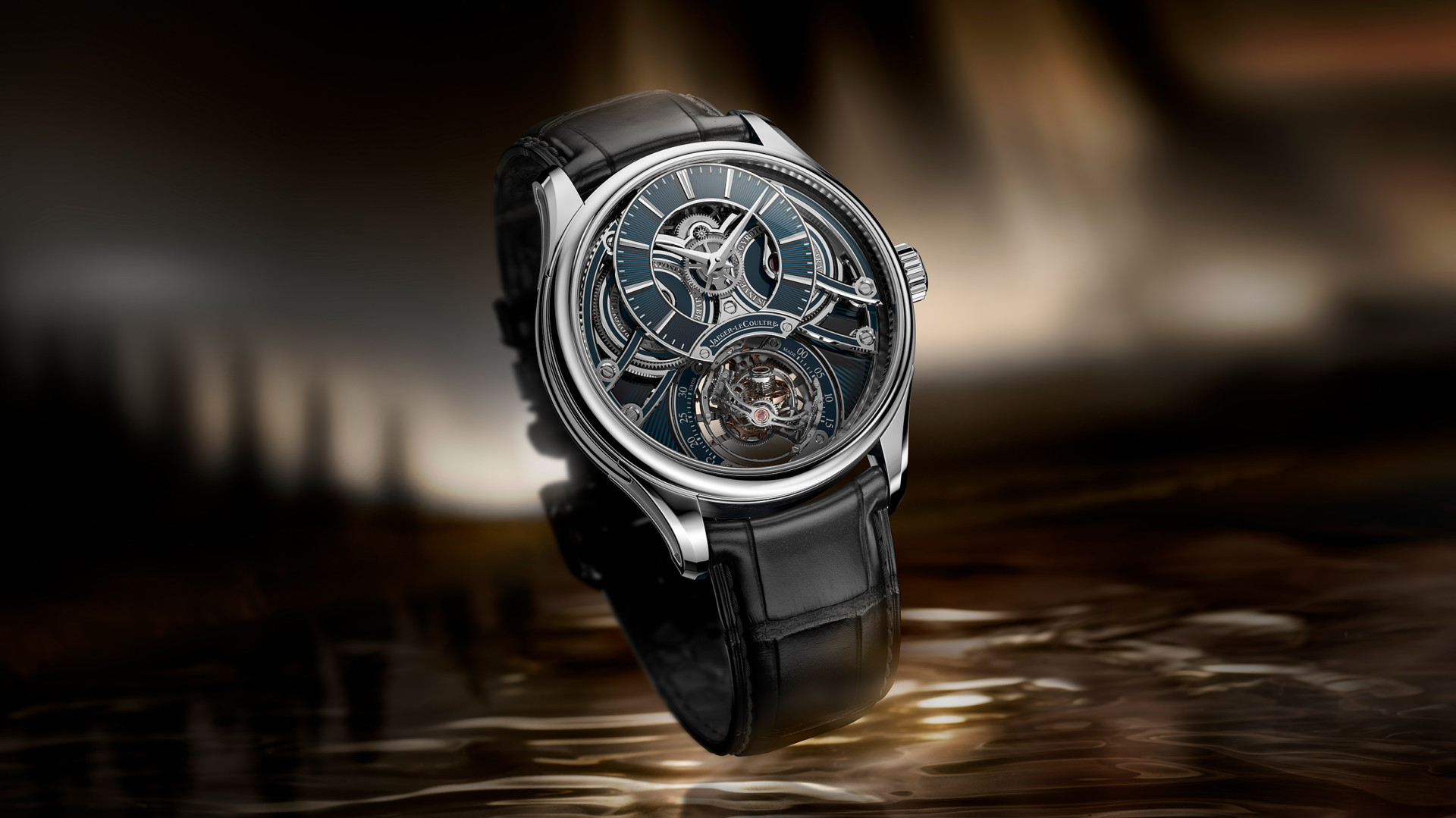
Now, representing almost eight decades of accumulated expertise in tourbillon regulators, the Master Hybris Inventiva Gyrotourbillon À Stratosphère (Calibre 178), for which patent applications were filled, takes the technology even further, to become a tourbillon within another tourbillon within yet another tourbillon. The kinematics of this triple-axis tourbillon achieves 98 per cent of all possible positions to compensate for the negative effects of gravity on the precision of the watch. To optimise isochronic performance, the Gyrotourbillon À Stratosphère is fitted with a cylindrical balance spring – a shape that beats concentrically in every position, regardless of amplitude (the back-and-forth swing of the balance wheel), position or power reserve – and runs on ceramic ball bearings to minimise friction. Its three titanium tourbillon cages rotate along X, Y, and Z axes at three different speeds – respectively, 20 seconds (inner cage); 60 seconds (centre cage or ‘cage of reference’); 90 seconds (outer cage) – to ensure that all positions are constantly covered. No other tourbillon on the market currently covers such a wide range of positions, giving gravity almost no chance to adversely affect the precision of the oscillator.
Adding complications: another challenge for precision
The addition of complications - functions beyond hours, minutes, and seconds - to a watch movement inherently challenges timekeeping accuracy, as their activation demands additional energy. However, the fundamental requirement for precision is an absolutely steady power supply from the barrel to the regulating organ. Two primary types of complications can be distinguished: continuous complications, such as date displays or moon phases, and on-demand complications, exemplified by chronographs or minute repeaters. On-demand complications present a significantly greater challenge due to their intermittent and often substantial energy requirements. When activated, they can momentarily draw considerable power, disrupting the stable energy flow to the regulating organ and potentially compromising the watch's timekeeping accuracy and isochronism. This necessitates more intricate mechanical solutions, such as dedicated power sources or sophisticated clutch mechanisms, to manage these energy bursts without impacting precision.
To address this horological conundrum, the Manufacture’s engineers have, over decades, developed various solutions, notably culminating in the 2007 invention of the Duometre system. This ingenious architecture features two barrels, each powering a separate and independent gear train, both linked to a single regulating organ. One train is dedicated to time indications, while the other drives all additional functions. By ensuring that complication operation does not compromise timekeeping, the Duometre concept has paved the way for ever-greater horological complexity and guaranteed operating accuracy.
Among these demanding complications, the minute repeater stands out. From its inception, it has always been a distinct mechanism within the calibre, requiring substantial energy for its numerous components to forcefully strike the gongs. Jaeger-LeCoultre's watchmakers have, since the mid-19th century, mastered this mechanism in all its forms, introducing major innovations that elevate not only its precision but also the quality and purity of its chime.
In 2026 Jaeger-LeCoultre introduces the Master Hybris Mechanica Ultra Thin Minute Repeater Tourbillon, a new interpretation of the high-complication Calibre 362. Representing a major technical breakthrough and an innovative aesthetics when it was introduced in 2014, Calibre 362 draws upon Jaeger-LeCoultre’s remarkable heritage in two key areas: chiming complications and precision timekeeping, incorporating a fully flying Tourbillon with a patented S-shape hairspring – a combination that ensures the
isochronism and precision of the regulating organ. Set in an 18K 5N pink gold case (750/1000) measuring just 8.25 mm thick, the entire mechanism is open to view, thanks to the complete skeletonisation of the calibre, the use of sapphire bridges and the pared back dial that forms an open-worked ring encircling the movement’s oscillating weight.
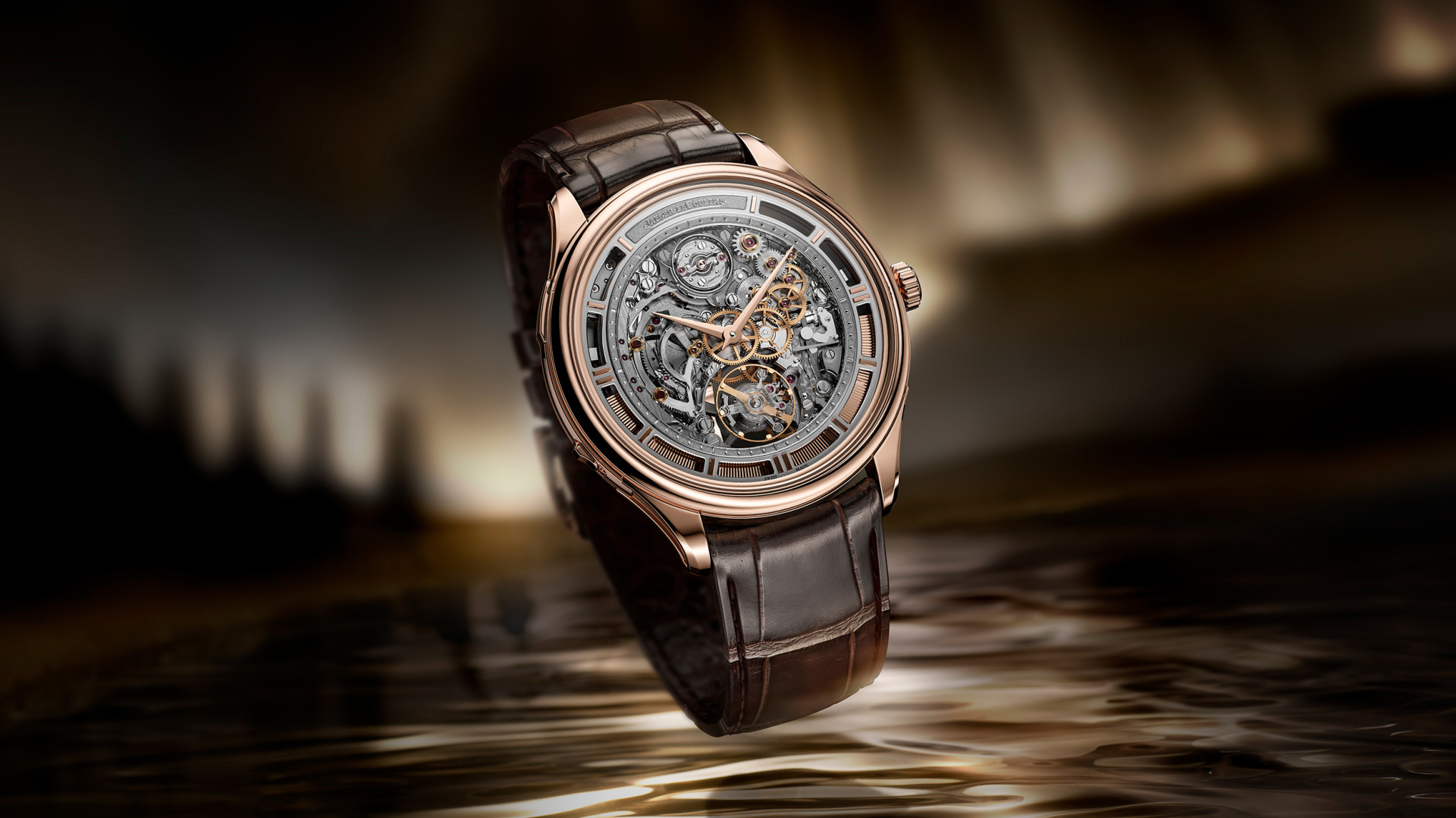
By combining a flying tourbillon with a beautifully sonorous minute repeater in a self-winding calibre measuring just 5 mm in height – housed within a case only 8.25 mm thick – the timepiece remains the world's thinnest automatic minute repeater tourbillon.
From the characters of people shaped by the landscape and climate of a unique place, grew a spirit of invention nurtured by a period of technological development that created a singular purpose: the pursuit and mastery of precision. The Valley of Inventions tells the inspiring 193-year story of a Maison still deeply rooted in its original environment, and that of its engineers, watchmakers and designers who continue to innovate in their quest for the perfect measurement of time while safeguarding the treasured legacy of mechanical watchmaking.






Downloads

|
|
|
|
|
|
|
|
|
|
|
|
|
|
|
|
|
|
|
|
|
|
|
|
|
|
|
|
|
|
|